UK CBAM: What importers need to know for 2027
24 Nov, 20262 minutesThe UK Carbon Border Adjustment Mechanism (CBAM) starts on 1 January 2027, taxing production...

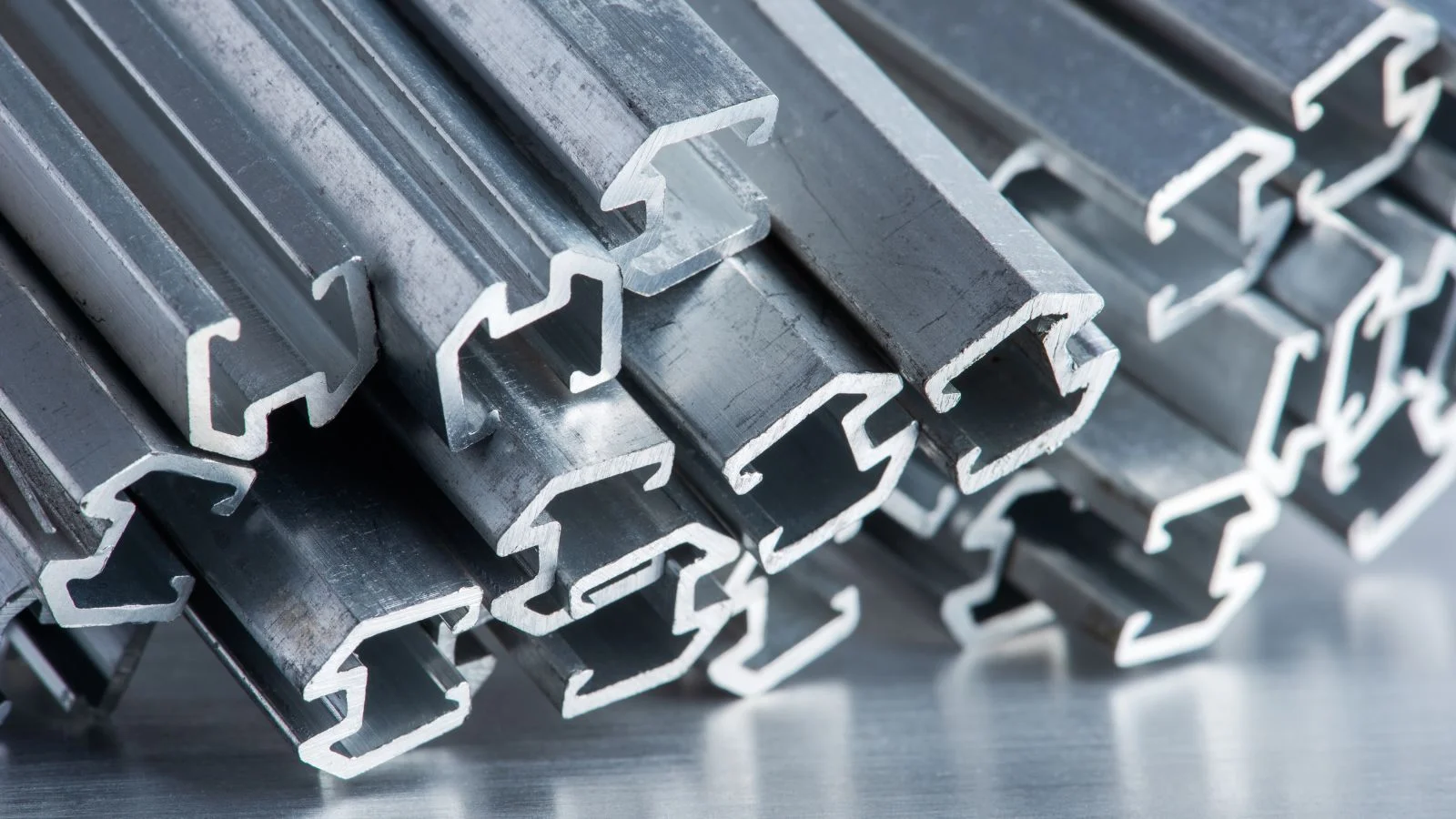
The UK Carbon Border Adjustment Mechanism (CBAM) starts on 1 January 2027, taxing production emissions embodied in specified imports. It aims to reduce “carbon leakage” - production moving overseas rather than emissions being reduced - by giving imports a carbon price comparable to that faced by UK manufacturers.
Which businesses and goods are affected?
Specified goods in aluminium, cement, fertiliser, hydrogen, and iron and steel are covered across the UK, including Northern Ireland. Scope depends on the commodity code, not just the sector: some products, including specified scrap, are excluded.
Responsibility sits with the importer, whether based in or outside the UK. Using a customs broker or freight forwarder on your behalf does not transfer that responsibility.
Proposed exemption: Check origin, not dispatch
Draft legislation published on 23 November 2026 proposes exempting EU, EEA and Swiss-origin goods from CBAM, the registration threshold and returns, retrospectively from 1 January 2027. This is not yet enacted. Continue complying with the law in force and retaining origin evidence. Dispatch from an EU warehouse alone would not qualify goods.
Registration: Two £50,000 tests
Registration is triggered when relevant imports reach £50,000 or more under either test. This measures the goods’ value under customs valuation rules - not turnover or tax payable. Check which goods count, including developments on the proposed exemption.
Forward-looking: From 1 January 2027, registration is triggered if you expect to import relevant goods worth £50,000 or more within the next 30 days. For example, knowing on 1 January that a £60,000 shipment will arrive on 14 January triggers registration on 1 January, before arrival.
Backward-looking: On the first day of each month, check relevant imports over the previous 12 months, excluding imports before 1 January 2027. Identify the date the threshold was met, not simply the review date. If both tests apply, use the earliest trigger date.
When do you register?
Registration opens on 1 January 2028. Businesses triggering registration during 2027 must register by 31 January 2028. This first-year extension does not delay the tax or record-keeping. Retain import values, forecasts, trigger-date evidence and sector-by-sector estimates of expected import weights.
Emissions, rates and relief
CBAM initially covers direct production emissions, including relevant precursor materials. Indirect emissions are excluded until 2029 at the earliest. Use independently verified actual emissions data or government default values; defaults are required where verified actual data is unavailable.
Rates vary by sector and import quarter. Carbon Price Relief may be available where qualifying carbon pricing has already applied but requires supporting evidence and an independently completed carbon pricing verification form.
Returns, payment and records
The first return and payment, covering 1 January – 31 December 2027, are due by 31 May 2028. Quarterly accounting begins in 2028, with special deadlines of 31 July 2028 for January – March and 29 September 2028 for April – June.
Keep records from 1 January 2027, even if below the registration threshold: commodity codes, descriptions, tax-point dates, values, net weights, origin and exemption evidence. Retain emissions verification and relief evidence where relevant. Records must generally be kept for six years from the later of creation or the end of the relevant accounting period. Failures to register or keep records can attract penalties.
What should businesses do now?
- Check commodity codes, customs origin and the responsible importer.
- Assign ownership of both threshold tests and maintain a deadline calendar.
- Ask suppliers for emissions, verification and carbon-pricing evidence.
- Prepare import records and consider the impact on costs and cash flow.
Do not wait for registration to open: The information needed for compliance must be captured from 2027.
For more information, please visit: HMRC scope and commodity-code list.
Related Posts

Key Tax Deadlines - November & December 2026
29 Oct, 2026

2026 Autumn Budget Summary
29 Oct, 2026