Key Tax Deadlines - October & November 2026
28 Sept, 2026


Following Andy Burnham's first PMQs as Prime Minister and a number of recent comments re...

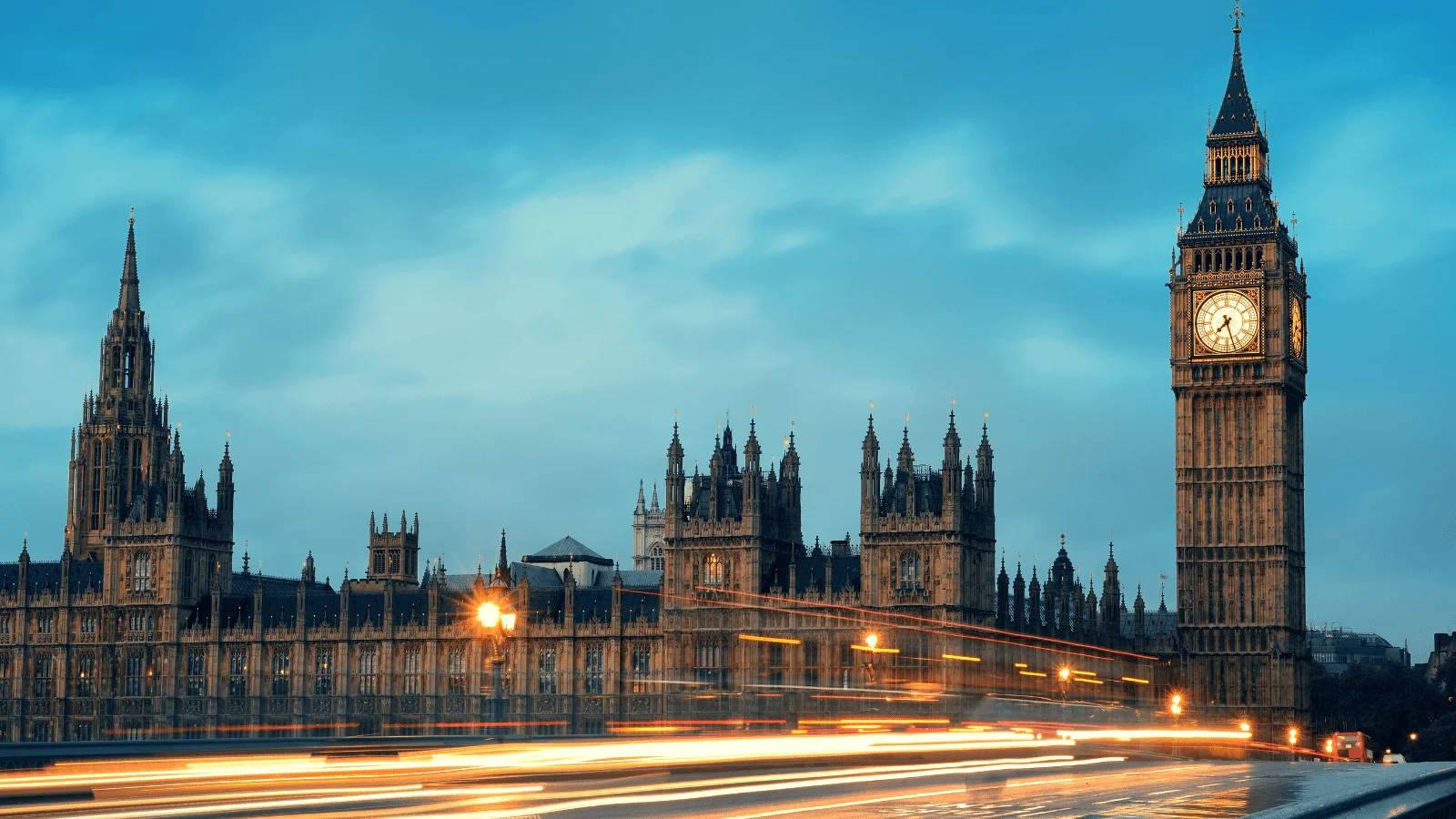
Following Andy Burnham's first PMQs as Prime Minister and a number of recent comments regarding the state of the public finances, attention is now turning to the Autumn Budget scheduled for 28 October.
Whilst Burnham has reiterated the Government's commitment not to increase the headline rates of income tax, National Insurance or VAT, he has been noticeably less definitive on other taxes and has repeatedly highlighted the difficult fiscal position facing the UK. Recent comments suggest the Government is preparing the ground for measures designed to raise additional revenue, albeit without breaching its key manifesto commitments.
Against that backdrop, it would not be surprising to see targeted tax increases rather than broad-based rises affecting the majority of taxpayers. Capital gains tax, wealth-related taxes and sector-specific charges have all been discussed by commentators as potential options, although no formal announcements have been made. Equally, further restrictions to reliefs and allowances could provide a relatively straightforward way of increasing tax receipts without increasing headline rates. For business owners and shareholders considering an exit, succession planning or wider capital strategy, the period before the Budget may present an opportunity to review arrangements. Whilst no changes to capital gains tax have been announced, history has shown that tax rates and reliefs can change quickly where governments seek to increase revenues. Those who are already contemplating a disposal may therefore wish to consider whether accelerating plans could provide greater certainty over the tax position and secure access to existing rates and reliefs.
For businesses, the picture is currently less clear. Burnham has recently stated that he does not want to deter investment or place additional burdens on businesses and "wealth creators", which may reduce the likelihood of significant increases in corporation tax. However, with borrowing costs rising and spending pressures mounting, some form of business tax reform remains a possibility, particularly in relation to business rates and existing relief regimes.
The continued freezing of personal allowances also remains a realistic possibility. Whilst there had previously been suggestions that allowances could be unfrozen, the current fiscal environment makes this appear less likely. If maintained, fiscal drag would continue to increase tax revenues without the need for any direct increase in tax rates.
Ultimately, the challenge facing the Chancellor is fairly straightforward: the Government has committed to additional spending whilst simultaneously ruling out increases in the UK's largest sources of tax revenue. As a result, the forthcoming Budget is likely to focus on more targeted measures designed to raise funds whilst attempting to preserve the Government's commitment to supporting economic growth.
With less than two months until Budget Day, advisers and taxpayers alike will be watching closely to see where the Chancellor chooses to find the additional revenue needed.
If you are considering a business sale, succession plan, management buyout or wider capital restructuring, now may be a sensible time to review your position. If you would like to discuss the potential impact of Budget changes or explore available tax planning opportunities, please get in touch with our tax advisory team at tax@teamjs.co.uk.